
Technology
Binance Says Hackers Used Well-Known Tricks to Carry Out a $6.34 Billion Heist
By Marcus Chen
Advertisement · Why this ad?
Katherine oversees editorial operations across all six brands. Before joining The Meridan Group, she spent 14 years at the Minneapolis Star Tribune, where she led the metro desk through its digital transformation. She holds a Master's in Journalism from Northwestern's Medill School.
More from Katherine →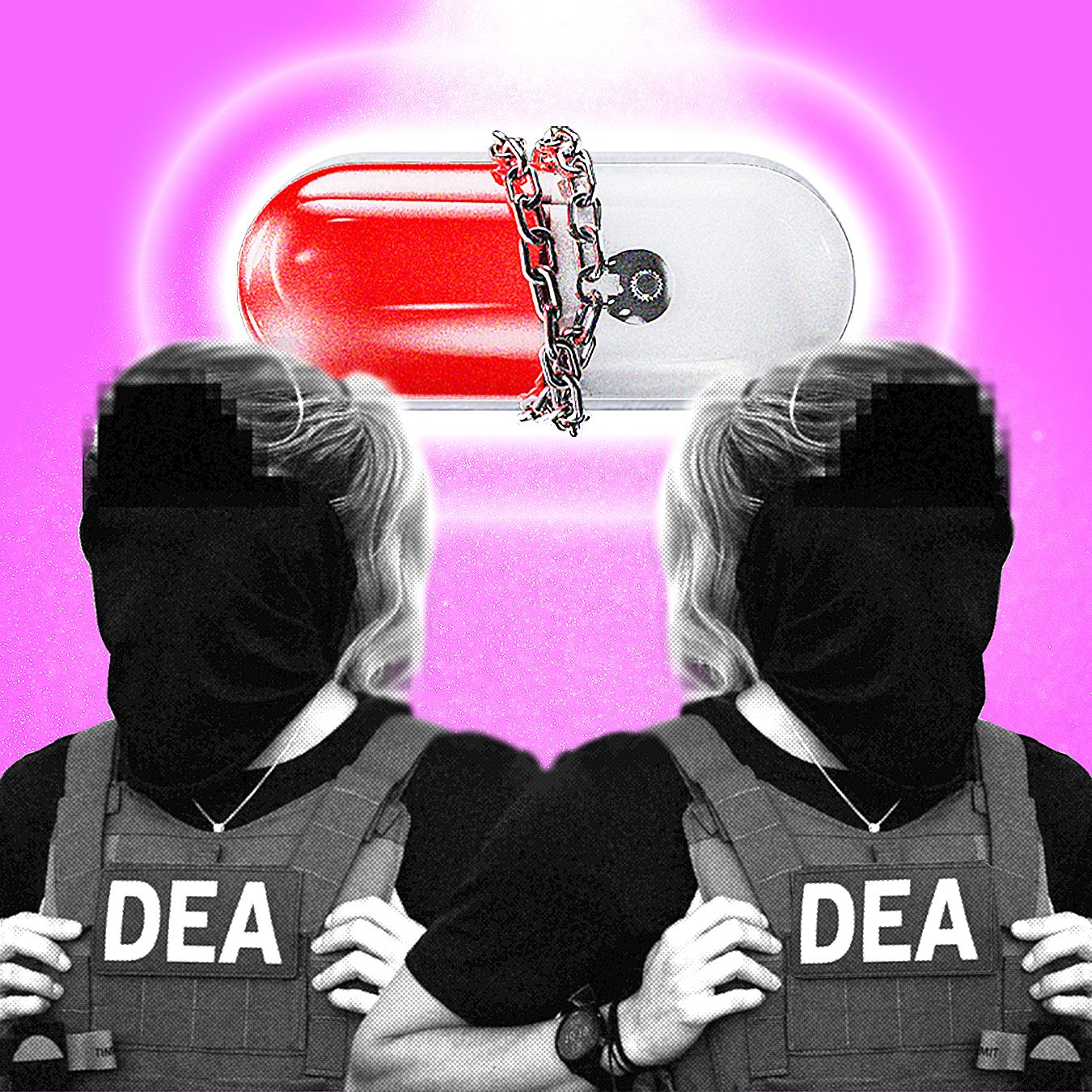
In the dim glow of a computer screen, a user known as 'HopefulRecovery' shares their story on a Reddit thread dedicated to overcoming opioid addiction. They describe a transformative experience with a substance called SR-17018, a compound they claim has alleviated their withdrawal symptoms and reignited their hope for a sober life. As they type, they are aware that their newfound lifeline is under threat from regulatory bodies, a situation that has left many in the recovery community feeling both grateful and anxious.
SR-17018, a novel compound that has emerged as a potential game-changer for those battling opioid dependence, has garnered attention for its ability to mitigate withdrawal symptoms. Users on platforms such as Reddit and Discord report that the substance helps them cope with the debilitating effects of opioid withdrawal, offering a glimmer of hope in their arduous journeys towards recovery.
Despite its promising effects, the Drug Enforcement Administration (DEA) has classified SR-17018 as a Schedule I substance, placing it in the same category as heroin and other highly addictive drugs. This decision has raised concerns among advocates and users alike, who argue that such a classification stifles the potential for recovery and access to a safer alternative to opioids.
The classification of SR-17018 has sparked a heated debate within the medical and recovery communities. Proponents argue that the substance could serve as a crucial tool in combating the opioid epidemic, while critics fear it may lead to further addiction issues. The juxtaposition of these perspectives highlights the complexities of addressing addiction in America.
The opioid crisis has reached alarming levels in the United States, with millions of individuals affected by addiction. According to the Centers for Disease Control and Prevention, over 100,000 people died from drug overdoses in 2021 alone, with opioids accounting for the majority of these fatalities. The urgency to find effective treatments is paramount, and many see SR-17018 as a beacon of hope.
As families and communities grapple with the fallout of addiction, stories like that of 'HopefulRecovery' resonate deeply. They represent not just a personal struggle, but a collective cry for solutions that can help restore lives and heal families. The potential of SR-17018 to alleviate withdrawal symptoms could mean the difference between life and death for many.
For users like 'HopefulRecovery,' the impact of SR-17018 is profound. They recount moments of despair, where the grip of addiction felt insurmountable. Yet, with the aid of this compound, they have found a renewed sense of agency in their recovery journey. Their story is echoed by countless others who have turned to online communities for support, sharing experiences and advice in the face of adversity.
The community surrounding SR-17018 has grown, with users forming tight-knit networks to discuss their experiences and strategies for recovery. This grassroots movement underscores the importance of peer support in the recovery process, as individuals lean on one another for encouragement and understanding.
The DEA's decision to classify SR-17018 as a Schedule I substance has not gone unchallenged. Advocacy groups and individuals affected by the opioid crisis are voicing their concerns, urging policymakers to reconsider the implications of such a ban. Organizations like the National Institute on Drug Abuse have been called upon to support research into the safety and efficacy of SR-17018.
Many users have taken to social media to express their discontent with the DEA's ruling. Posts filled with frustration and disbelief highlight the disconnect between regulatory decisions and the realities faced by those in recovery. Advocates argue that a more nuanced approach is needed, one that considers the potential benefits of substances like SR-17018 in the context of addiction treatment.
As the conversation surrounding SR-17018 continues, the need for rigorous research and responsible regulation becomes increasingly clear. Experts emphasize that understanding the pharmacological properties of the compound is essential to determining its safety and potential for therapeutic use. Without comprehensive studies, the fears surrounding misuse and addiction remain largely speculative.
In the face of a growing opioid crisis, the urgency for effective treatment options cannot be overstated. The potential of SR-17018 to serve as a viable alternative to traditional opioid treatments warrants further investigation. Advocates are calling for clinical trials and research studies to be expedited, emphasizing the importance of evidence-based approaches to addiction recovery.
Finding a balance between ensuring public safety and providing access to potentially life-saving treatments is a complex challenge. Regulatory bodies must weigh the risks and benefits of substances like SR-17018, considering both the potential for abuse and the pressing need for effective addiction treatments. The ongoing dialogue surrounding this issue is vital for shaping future policies that impact the lives of those struggling with addiction.
As the community continues to rally for change, the hope remains that SR-17018 may one day be recognized not just as a substance to be feared, but as a tool for healing. The conversations taking place online and in advocacy circles are paving the way for a more informed understanding of addiction and recovery.
While the future of SR-17018 remains uncertain, the resilience of those affected by opioid addiction is undeniable. The stories shared by users highlight a collective yearning for solutions that honor their struggles and aspirations for a better life. As advocates press for further research, there is a sense of hope that SR-17018 could play a role in reshaping the landscape of addiction treatment.
Communities across the nation are beginning to recognize the need for compassionate approaches to addiction, focusing on recovery as a journey rather than a destination. The experiences of individuals like 'HopefulRecovery' serve as a reminder of the human stories behind the statistics, reinforcing the importance of support, understanding, and commitment to recovery.
As we look to the future, the conversation surrounding SR-17018 and its potential impact on opioid addiction will undoubtedly continue to evolve. The challenge lies in navigating the complexities of regulation while fostering an environment where recovery is possible for all.
By Marcus Chen

By Marcus Chen

By Katherine Langford

By Marcus Chen