
Technology
$1,200 Off the iPhone Duo? Here’s How Carrier Deals Actually Work
By Marcus Chen
Advertisement · Why this ad?
Katherine oversees editorial operations across all six brands. Before joining The Meridan Group, she spent 14 years at the Minneapolis Star Tribune, where she led the metro desk through its digital transformation. She holds a Master's in Journalism from Northwestern's Medill School.
More from Katherine →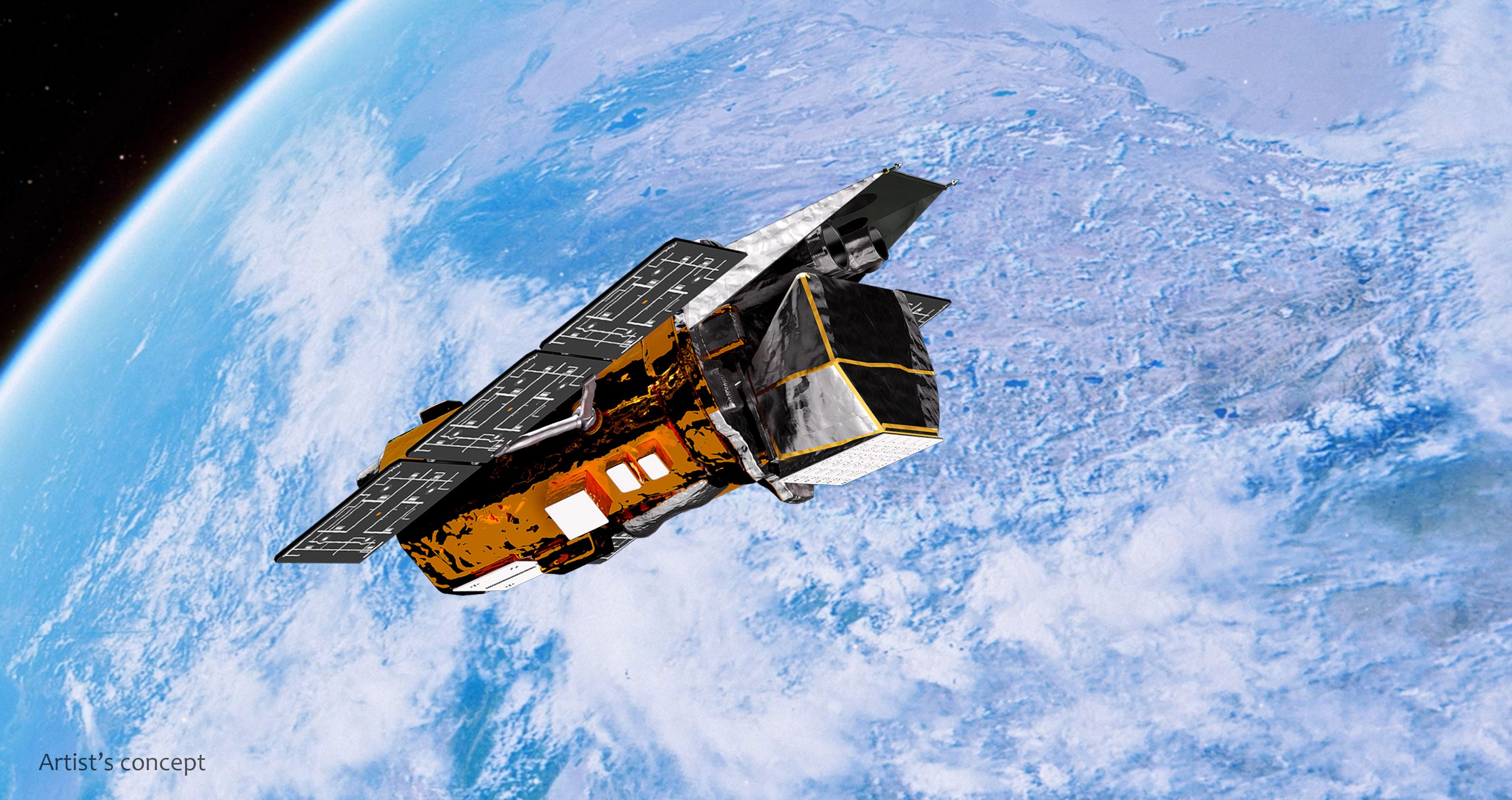
As dusk settled over New York City, residents gazed skyward, pondering the mysteries of the universe. Meanwhile, a significant event loomed just beyond the horizon: NASA’s NASA's Swift Observatory, a satellite weighing 3,200 pounds, is on a trajectory to reenter Earth's atmosphere later this week. With a reentry zone spanning parts of Africa, Australia, Southeast Asia, and South America, the implications of this event extend far beyond the scientific community.
The Swift Observatory, launched in 2004, has played a pivotal role in the study of gamma-ray bursts and other cosmic phenomena. However, as its operational life comes to an end, NASA has confirmed that the satellite is expected to reenter the atmosphere, likely between October 4 and October 6, 2023. The reentry zone is extensive, covering regions that include Africa, Australia, Southeast Asia, and parts of South America.
NASA has assured the public that the likelihood of debris causing harm is minimal. The agency has a long history of monitoring satellite reentries and has developed protocols to ensure safety. Yet, the prospect of a satellite falling to Earth naturally raises questions and concerns among those who may be affected.
Designed to observe the universe in a variety of wavelengths, the Swift Observatory has significantly advanced our understanding of astronomical events. Its ability to rapidly respond to gamma-ray bursts has made it an invaluable tool for scientists. The satellite's instruments have captured over 1,000 gamma-ray bursts, contributing to a deeper understanding of the universe's most energetic events.
In addition to gamma-ray bursts, Swift has also studied supernovae, black holes, and the formation of galaxies. Its legacy is one of collaboration and discovery, with data shared widely among the global scientific community. As the satellite prepares for its final descent, many scientists reflect on its contributions and the knowledge gained over nearly two decades of operation.
Swift’s contributions extend to various fields of astrophysics. For instance, its observations have led to breakthroughs in understanding the nature of dark energy and the expansion of the universe. Researchers have utilized data from Swift to refine models of cosmic evolution, which are crucial for predicting future cosmic phenomena. Dr. Maria Gonzalez, an astrophysicist at Columbia University, emphasizes the importance of Swift's data: “The insights gained from Swift are foundational to our understanding of the universe. As it reenters, we not only say goodbye to a satellite but also to a wealth of knowledge.”
In New York City, where the hustle and bustle of daily life often overshadows cosmic events, the impending reentry has sparked curiosity and conversation. Local astronomy enthusiasts have taken to social media, sharing information and resources about the Swift Observatory's mission and its impending return to Earth. American Museum of Natural History has even organized a public discussion session, inviting residents to learn more about the satellite's contributions to science.
“It’s fascinating to think that something built by humans is coming back to us,” said Dr. Emily Chen, an astrophysicist at a local university. “Swift has changed the way we understand the universe, and now it’s coming full circle.” Local schools have also engaged students with projects related to Swift, encouraging them to explore the satellite's findings and its impact on our understanding of space.
While the excitement is palpable, there are also concerns regarding safety. The vast reentry zone means that while the risk of debris is low, it is not entirely absent. Residents in the affected areas are advised to stay informed through official channels such as NASA and local news outlets. NASA's reentry guidelines for those living in the potential impact zones, emphasizing the importance of remaining calm and following safety protocols.
In many communities, local officials are preparing for the reentry with contingency plans. Emergency response teams have been briefed on the situation, and public awareness campaigns are underway to educate residents about the event. “Our priority is public safety,” stated Mayor Lisa Thompson of a town within the reentry zone. “We want to ensure that our community is informed and prepared.”
The reentry of the Swift Observatory is not just a local event; it has global implications. Scientists and researchers around the world are closely monitoring the situation, as the satellite’s descent provides a unique opportunity to study the physics of reentry and the behavior of materials under extreme conditions. NASA's Swift news that data collected during the reentry process could contribute to future missions and enhance safety measures for upcoming satellite launches.
Moreover, the event serves as a reminder of the importance of space exploration and the continued investment in scientific research. As nations around the world strive to explore the cosmos, the legacy of missions like Swift underscores the value of collaboration and international cooperation in the pursuit of knowledge. International space agencies are already discussing how the data from Swift's reentry might inform future satellite designs, particularly in terms of durability and safety.
In light of the Swift Observatory's impending reentry, various organizations are stepping up to educate the public about the importance of space science. Online forums and webinars are being organized to discuss the satellite's achievements and the broader implications of satellite technology. Local planetariums are also hosting special events, featuring talks from astrophysicists and interactive exhibits for families.
“This is a unique moment to engage the public with science,” mentioned Sarah Patel, an outreach coordinator at a local science center. “We want to inspire the next generation of scientists and thinkers by showing them the wonders of the universe.”
For those interested in learning more about the Swift Observatory and its contributions to science, there are numerous resources available. Local libraries and community centers are hosting informational sessions, while online platforms like NASA’s website provide up-to-date information about the satellite’s reentry. Additionally, social media groups focused on astronomy are sharing insights and engaging discussions about the event.
Residents are encouraged to stay informed and partake in community discussions. Engaging with local science organizations can foster a deeper understanding of the implications of such events and inspire future generations to pursue careers in STEM fields. The excitement surrounding Swift's reentry is also an opportunity for local educators to integrate space science into their curricula, fostering a greater appreciation for the sciences among students.
As the Swift Observatory prepares for its descent, the scientific community and the public alike reflect on its legacy. This event serves as a reminder of the fragility of our technological advancements and the importance of responsible stewardship of our planet and beyond. The knowledge gained from Swift will undoubtedly inform future explorations and missions, ensuring that humanity continues to reach for the stars.
In the coming weeks, as the satellite completes its final journey, the world will be watching. The Swift Observatory’s reentry is more than just a scientific event; it is a celebration of human ingenuity and a call to continue exploring the unknown. As we bid farewell to Swift, we also look forward to the future of space exploration and the new missions that await us.
By Marcus Chen

By Marcus Chen

By Marcus Chen

By Katherine Langford