
Technology
When You Should—and Shouldn’t—Use AI to Search the Web
By Katherine Langford
Advertisement · Why this ad?
Katherine oversees editorial operations across all six brands. Before joining The Meridan Group, she spent 14 years at the Minneapolis Star Tribune, where she led the metro desk through its digital transformation. She holds a Master's in Journalism from Northwestern's Medill School.
More from Katherine →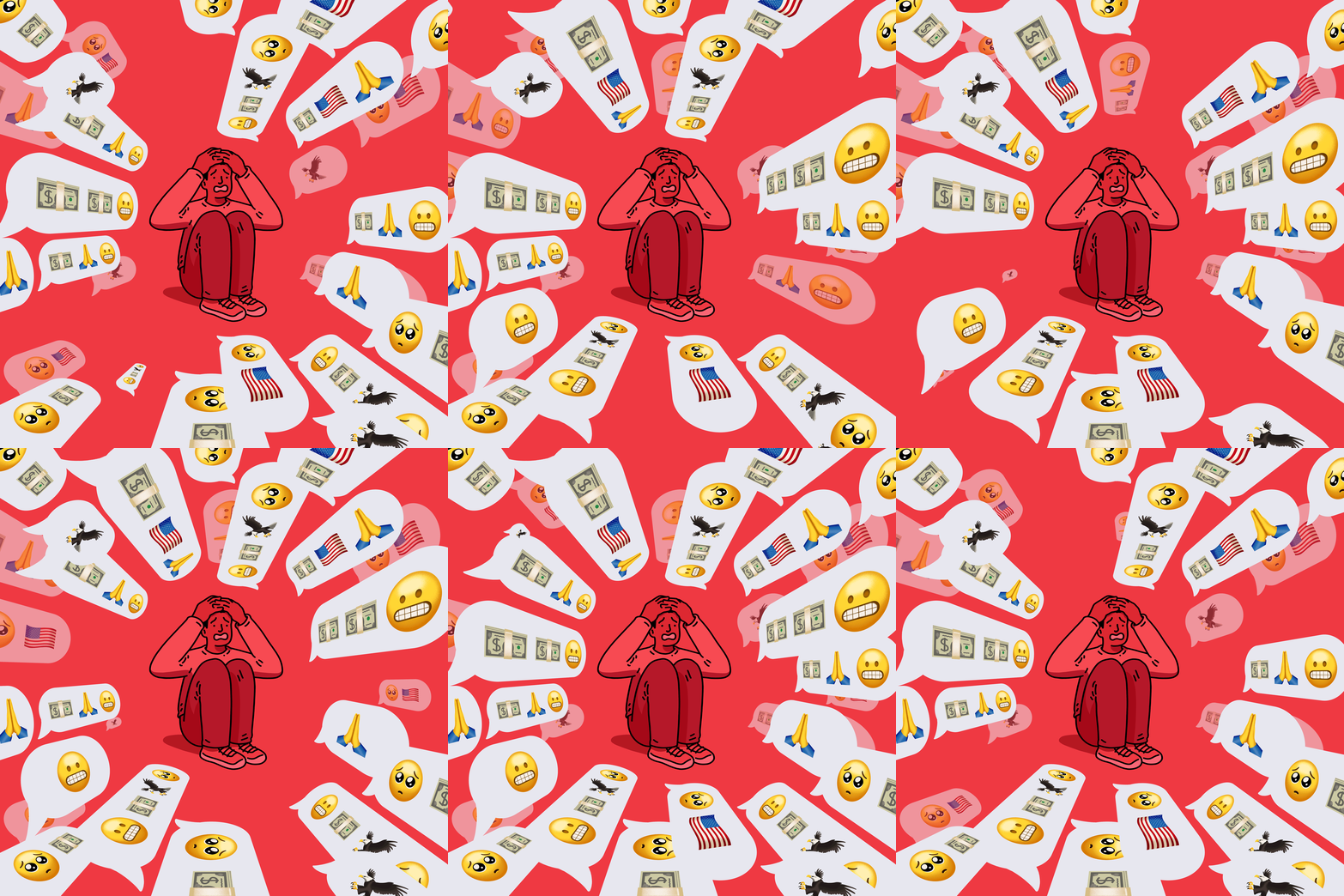
As the sun dipped below the skyline of New York City, I found myself staring at my phone, bewildered by the sheer volume of text messages flooding in. Nearly 2,000 campaign fundraising texts, all intended for someone else, had landed in my inbox. Each notification was a reminder of a complex web of political messaging and data harvesting that has become all too common in our digital age. It was a personal journey into the heart of America’s political spam text hell.
In recent years, the rise of political fundraising via text messages has transformed the way campaigns engage with voters. According to the Federal Election Commission, the 2020 election cycle saw a significant uptick in the use of mobile communication for campaign outreach. Candidates and political organizations have increasingly turned to text messaging as a direct line to potential donors.
However, this surge has not come without its complications. As I scrolled through my messages, I realized that many of these texts were not just unsolicited; they were misdirected communications meant for a different recipient entirely. This phenomenon raises questions about the accuracy of data collection methods employed by campaigns and the role of third-party data brokers in the political landscape.
To understand the origins of these messages, I delved into the world of data brokers. These companies collect, analyze, and sell personal information, often without the individual's explicit consent. According to a report by the Privacy Rights Clearinghouse, data brokers can compile extensive profiles on individuals, including their political affiliations, shopping habits, and even their likelihood to donate to a political cause.
The implications of this practice are profound. When campaigns purchase data from brokers, they may inadvertently target the wrong individuals, leading to an influx of irrelevant messages. This was precisely my experience, as I found myself inundated with solicitations for candidates and causes I had no interest in supporting.
The impact of these misdirected texts extends beyond mere annoyance. For many recipients, such as myself, it can feel like an invasion of privacy. I began to wonder how many others were experiencing similar frustrations. A quick search revealed a plethora of online forums filled with individuals sharing their own stories of unsolicited political messages. It appears that I was not alone in this digital quagmire.
Moreover, the emotional toll of receiving these messages can vary. Some individuals may feel a sense of helplessness, while others might be driven to action, either by opting out of future communications or by taking to social media to voice their discontent. The broader implications for political engagement are concerning; if voters feel overwhelmed by spam, they may disengage from the political process altogether.
As I navigated through this labyrinth of texts, I sought to understand the legal framework governing political communications. The Federal Communications Commission (FCC) has established regulations regarding unsolicited texts, but the enforcement of these rules can be inconsistent. Campaigns are required to provide an opt-out option, yet many individuals report that they find it difficult to effectively remove themselves from these lists.
This lack of accountability raises questions about the ethical practices of political campaigns and their reliance on data brokers. As the political landscape continues to evolve, it is crucial for lawmakers to consider the implications of these practices and to establish clearer guidelines that protect consumers from unwanted intrusions.
The ramifications of this issue extend beyond individual experiences. Communities across America are grappling with the consequences of political spam texts, particularly as election seasons heat up. The proliferation of unsolicited messages can exacerbate feelings of disconnection and frustration among voters, ultimately undermining the democratic process.
To combat this trend, community leaders and advocacy groups are beginning to take action. Organizations such as the Common Cause are working to raise awareness about the importance of data privacy and the need for reform in political communications. By educating voters about their rights and encouraging them to demand accountability from campaigns, these groups aim to foster a more informed electorate.
In the heart of New York City, I spoke with local activists who are deeply concerned about the implications of political spam texts. Maria Gonzalez, a community organizer, expressed her frustration: "These texts not only clutter our phones but also dilute the important messages that we should be focusing on during election season. It’s a distraction that can lead to apathy among voters, especially in marginalized communities that are already facing numerous challenges."
Similarly, David Chen, a tech entrepreneur and advocate for digital privacy, emphasized the need for transparency in how campaigns use data. "We are living in a time where our personal information is a commodity. It’s crucial for voters to understand how their data is being used and to hold campaigns accountable for their practices," he stated.
As I reflect on my journey through the world of political spam texts, I am reminded of the importance of commitment — not just in our personal lives but also in our civic engagement. Strong communities are built on informed and active participation, and it is essential that we advocate for our rights as voters.
The road ahead is not without challenges. However, by raising awareness and pushing for reform, we can work towards a political landscape that respects individual privacy while fostering meaningful engagement. As the next election cycle approaches, it is vital for voters to remain vigilant, informed, and proactive in addressing the issues that affect our democracy.
Looking forward, various initiatives are emerging to tackle the problem of spam texts in political campaigns. Legislation is being proposed in several states aimed at tightening regulations on how campaigns can collect and use data. For instance, California has already implemented stricter laws that require explicit consent from individuals before their information can be used for political purposes.
Moreover, grassroots movements are gaining traction, urging voters to demand clearer communication from campaigns. These movements emphasize the importance of transparency and accountability, encouraging voters to engage with candidates directly about their data practices. As these conversations gain momentum, there is hope for a more ethical approach to political communication that respects voter privacy.
By Katherine Langford

By Katherine Langford

By Katherine Langford

By Katherine Langford